
Best Dry Cat Food 2026: Vet-Reviewed Rankings and Complete Buyer’s Guide
Last Updated On: May 17, 2026
Cats are obligate carnivores. Their digestive systems are biologically designed to derive energy and essential nutrients from animal protein, not from grains or plant-based fillers. Choosing the wrong dry cat food leads to weight gain, chronic digestive issues, dull coat, urinary tract complications, and low energy. Choosing the right one supports lean muscle mass, healthy skin, strong immunity, and a longer life.
This guide reviews the 10 best dry cat foods available in the market, ranked by protein quality, ingredient transparency, AAFCO nutritional adequacy statements, caloric density, and verified customer outcomes. Every product has been evaluated against the same 8 nutritional criteria. The buying guide at the end of this article explains exactly what those criteria mean and how to apply them to your cat’s specific life stage, weight, and health condition.
Disclosure: This article contains Amazon affiliate links. Purchases made through these links earn a small commission at no extra cost to you. All rankings reflect independent editorial judgment based on nutritional data and verified user feedback.
Editor’s Choice
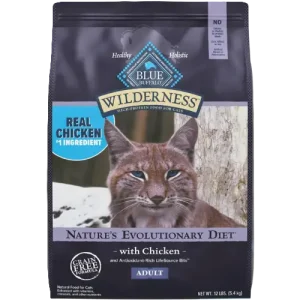
Blue Buffalo Wilderness High-Protein
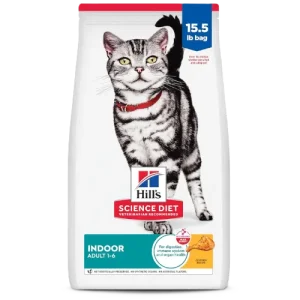
Hill’s Science Diet Chicken Recipe
Quick Comparison: Top 10 Healthiest Dry Cat Foods at a Glance
Image
Product
Price
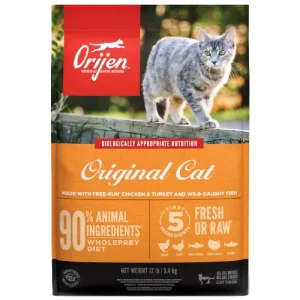
1) Orijen Cat & Kitten
- Protein: 40%
- Fat: 20%
- Kcal/Cup: ~470
- Life Stage: All stages
- Grain-Free: Yes
- Best For: Highest protein nutrition
2) Blue Buffalo Wilderness
- Protein: 40
- Fat: 18
- Kcal/Cup: ~415
- Life Stage: Adult
- Grain-Free: Yes
- Best For: Grain-free premium
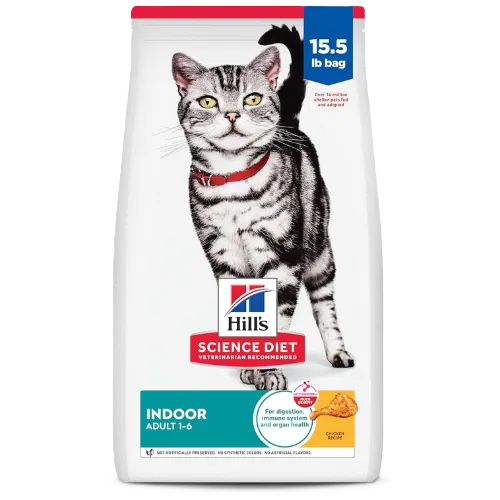
3) Hill’s Science Diet Indoor
- Protein: 34
- Fat: 12
- Kcal/Cup: ~340
- Life Stage: Adult Indoor
- Grain-Free: No
- Best For: Vet-recommended indoor cats
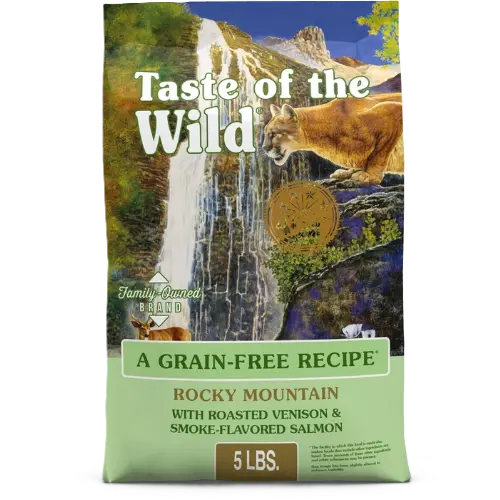
4) Taste of the Wild Mountain
- Protein: 42
- Fat: 18
- Kcal/Cup: ~372
- Life Stage: All Stages
- Grain-Free: Yes
- Best For: Sensitive stomach
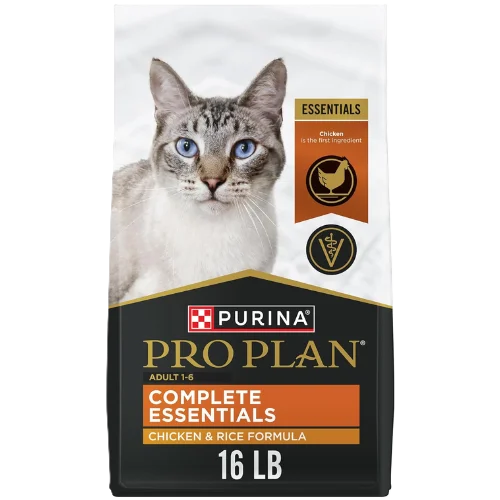
5) Purina Pro Plan Chicken
- Protein: 40
- Fat: 16
- Kcal/Cup: ~394
- Life Stage: Adult
- Grain-Free: No
- Best For: Probiotic digestive support
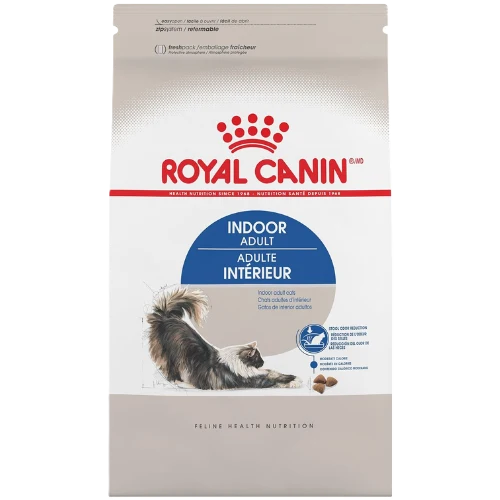
6) Royal Canin Indoor
- Protein: 27
- Fat: 15
- Kcal/Cup: ~362
- Life Stage: Adult Indoor
- Grain-Free: No
- Best For: Hairball and weight control
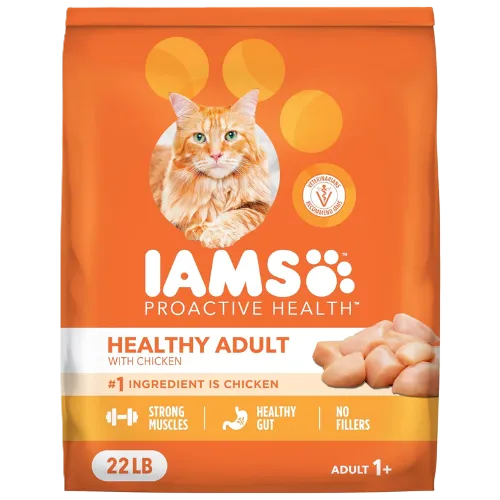
7) Iams Proactive Health
- Protein: 32
- Fat: 15
- Kcal/Cup: ~356
- Life Stage: Adult
- Grain-Free: No
- Best For: Budget sensitive stomach
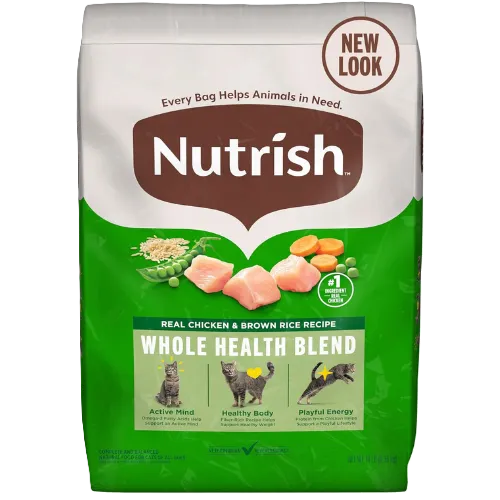
8) Rachael Ray Nutrish
- Protein: 30
- Fat: 8
- Kcal/Cup: ~310
- Life Stage: Adult
- Grain-Free: No
- Best For: Natural ingredients, budget
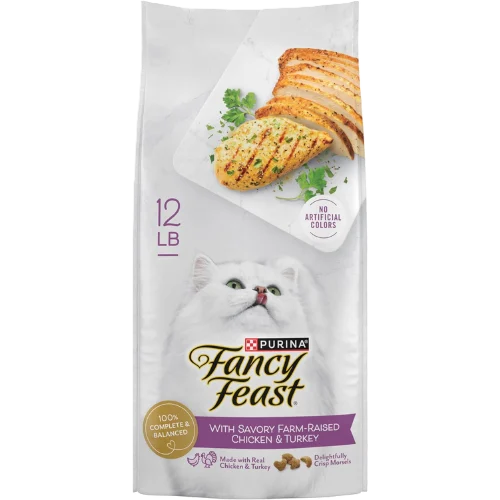
9) Purina Fancy Feast Dry
- Protein: 34
- Fat: 17
- Kcal/Cup: ~378
- Life Stage: Adult
- Grain-Free: No
- Best For: Picky eaters, budget
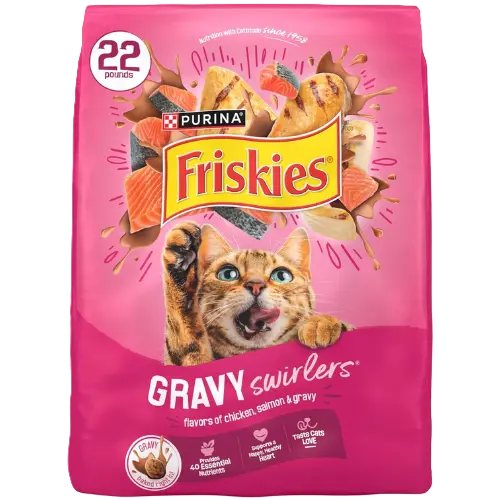
10) Purina Friskies Gravy Swirlers
- Protein: 30
- Fat: 12
- Kcal/Cup: ~334
- Life Stage: All Stages
- Grain-Free: No
- Best For: Picky eaters, budget
The 10 Best Dry Cat Foods of 2026: Full Reviews
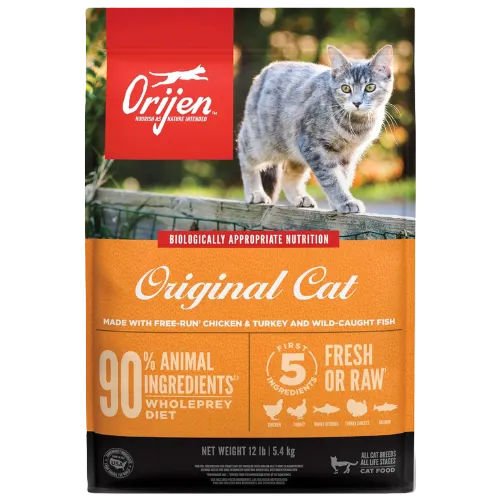
1. Orijen Cat & Kitten Dry Food — Best Overall High-Protein Formula
Key Features
Key Nutritional Facts:
- Crude protein: 40% minimum
- Crude fat: 20% minimum
- Crude fibre: 4% maximum
- Moisture: 12% maximum
- Caloric density: approximately 470 kcal per 8-oz cup
Ingredient Highlights:
The first 5 ingredients are all named animal proteins. The formula contains no corn, wheat, soy, potato, or artificial preservatives. Freeze-dried liver coating on the kibble surface improves palatability without synthetic flavour enhancers.
Who this formula suits:
Adult cats requiring high-protein nutrition, cats transitioning from raw or wet food diets, and multi-life-stage households where a single formula covers kittens and adults.
One limitation to note:
Orijen’s caloric density is higher than average. Cats transitioning from lower-calorie foods require a measured feeding schedule to prevent weight gain. Consult the feeding guide on the packaging or use our cat food calculator to determine the correct daily portion.
Nutritional Profile:
Check the guaranteed analysis of protein, fat, fiber, and moisture for the original ORIJEN Grain Free High Protein Premium Dry Cat Food.
Pros
Cons
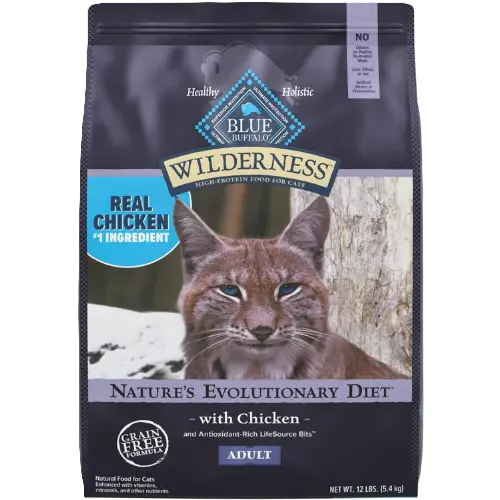
2. Blue Buffalo Wilderness High Protein Grain-Free Dry Cat Food — Best Grain-Free Premium
Key Features
Key Nutritional Facts:
- Crude protein: 40% minimum
- Crude fat: 18% minimum
- Crude fibre: 4% maximum
- Moisture: 9% maximum
- Omega-6 fatty acids: 3.5%
- Omega-3 fatty acids: 0.5%
Ingredient Transparency:
Blue Buffalo Wilderness contains no chicken by-product meals, no corn, wheat, soy, artificial flavours, or artificial preservatives. Sweet potatoes and peas provide digestible carbohydrate energy. Taurine is added as a separate ingredient to meet feline cardiac and eye health requirements.
Who this formula suits:
Grain-intolerant adult cats, cats with recurrent skin issues, and owners prioritising named-protein grain-free formulas at a mid-range price.
Nutritional Profile:
Check the guaranteed analysis of protein, fat, fiber, moisture, omega-6 fatty acid and omega-3 fatty acid for the Blue Buffalo Wilderness High Protein Grain-Free Dry Cat Food.
Pros
Cons
3. Hill’s Science Diet Dry Cat Food for Indoor Cats — Best Vet-Recommended Formula
Key Features
Key Nutritional Facts:
- Crude protein: 34% minimum
- Crude fat: 12% minimum
- Crude fibre: 7.7% maximum
- Moisture: 10% maximum
- Caloric density: approximately 340 kcal per 8-oz cup
Hairball Management:
The high fibre content, sourced from natural cellulose, moves ingested hair through the digestive tract and reduces the frequency of hairball regurgitation. This is one of 4 clinically validated mechanisms Hill’s uses to address indoor cat health, alongside weight management, digestive support, and immune maintenance.
Who this formula suits:
Adult indoor cats aged 1 to 6 years, cats prone to hairball formation, and cat owners whose veterinarian has specifically recommended Hill’s Science Diet for weight management or digestive health.
Nutritional Profile:
Check the guaranteed analysis of protein, fat, fiber, and moisture for the Hill’s Science Diet Dry Cat Food for Indoor Cats.
Pros
Cons
4. Taste of the Wild Rocky Mountain Grain-Free Dry Cat Food — Best for Sensitive Stomachs
Key Features
Key Nutritional Facts:
- Crude protein: 42% minimum
- Crude fat: 18% minimum
- Crude fibre: 3% maximum
- Moisture: 10% maximum
- Caloric density: approximately 372 kcal per 8-oz cup
Digestive Support:
The formula uses roasted proteins rather than raw-cooked, which improves protein digestibility and reduces gastrointestinal transit time. The added probiotic cultures, from the species Lactobacillus acidophilus, Enterococcus faecium, and Lactobacillus casei, have been shown to support feline gut microbiota in controlled feeding studies.
Who this formula suits:
Cats with previously diagnosed food sensitivities, cats experiencing chronic loose stools or intermittent vomiting when fed standard chicken-based formulas, and cats requiring a high-protein grain-free diet at a competitive price.
Nutritional Profile:
Explore the guaranteed analysis of protein, fat, fiber, and moisture for the Taste of the Wild Rocky Mountain Grain-Free Dry Cat Food.
Pros
Cons
5. Purina Pro Plan High Protein Dry Cat Food — Best for Digestive and Immune Health
Key Features
Key Nutritional Facts:
- Crude protein: 40% minimum
- Crude fat: 16% minimum
- Crude fibre: 2% maximum
- Moisture: 12% maximum
- Caloric density: approximately 394 kcal per 8-oz cup
- Calcium: 0.85%
- Phosphorus: 0.80%
Immune System Support:
Linoleic acid (an omega-6 fatty acid), vitamin A, and vitamin E are incorporated at levels that support epidermal barrier function and lymphocyte activity. Antioxidant vitamins contribute to the cat’s adaptive immune response, reducing susceptibility to seasonal illness.
Who this formula suits:
Adult cats aged 1 to 7 years, cats with previously managed digestive sensitivity, and owners seeking a high-protein, vet-endorsed formula at a mainstream price.
Nutritional Profile:
See the guaranteed analysis of protein, fat, fiber, moisture, calcium and phosphorus for the Purina Pro Plan High Protein Dry Cat Food.
Pros
Cons
6. Royal Canin Feline Health Nutrition Indoor Dry Cat Food — Best for Indoor Cats and Hairball Control
Key Features
Key nutritional facts:
- Crude protein: 27% minimum
- Crude fat: 15% minimum
- Crude fibre: 6% maximum
- Moisture: 8% maximum
- Caloric density: approximately 362 kcal per 8-oz cup
Hairball and digestive management:
The fibre complex combines psyllium husk and insoluble cellulose. Psyllium forms a gel in the intestine that binds ingested hair and moves it through the colon. Insoluble cellulose stimulates peristaltic movement, counteracting the slower intestinal transit common in sedentary indoor cats. This dual-fibre approach reduces hairball regurgitation frequency by supporting passive hair elimination.
Who this formula suits:
Indoor adult cats aged 1 to 7 years, cats with frequent hairball regurgitation, overweight indoor cats requiring portion-controlled caloric intake, and cats with a history of irregular stools or colonic sluggishness.
Nutritional Profile:
Check the guaranteed analysis of protein, fat, fiber, and moisture for the Royal Canin Feline Health Nutrition Indoor Dry Cat Food.
Pros
Cons
7. Iams Proactive Health Adult Dry Cat Food — Best Budget Pick for Digestive Sensitivity
Key Features
Key Nutritional Facts:
- Crude protein: 32% minimum
- Crude fat: 15% minimum
- Crude fibre: 3% maximum
- Moisture: 10% maximum
- Calcium: 0.80%
- Potassium: 0.70%
Dental and Urinary Support:
The kibble’s textured surface provides mechanical abrasion against plaque accumulation during chewing. The formula’s calcium-to-phosphorus ratio supports urinary pH balance, reducing the risk of struvite crystal formation in cats predisposed to urinary tract conditions. If your cat has a history of urinary issues, consult a veterinarian about whether a targeted urinary health formula is appropriate.
Who this formula suits:
Adult cats aged 1 to 7 years, cats with a history of occasional digestive upset or loose stools, and multi-cat households requiring a nutritionally complete everyday formula at an accessible price.
Nutritional Information:
Check the guaranteed analysis of protein, fat, fiber, moisture, calcium and Potassium for the Iams Proactive Health Adult Dry Cat Food.
Pros
Cons
8. Rachael Ray Nutrish Natural Dry Cat Food — Best Natural Ingredients at a Budget Price
Key Features
Key Nutritional Facts:
- Crude protein: 30% minimum
- Crude fat: 8% minimum
- Crude fibre: 4% maximum
- Moisture: 12% maximum
- Caloric density: approximately 310 kcal per 8-oz cup
Weight Management Suitability:
With a caloric density of approximately 310 kcal per cup, Rachael Ray Nutrish is among the lower-calorie dry formulas reviewed here. Overweight adult cats or cats with reduced mobility benefit from the lower fat content, which reduces total daily caloric intake at standard serving sizes.
Who this formula suits:
Adult cats requiring weight management support, cats with low activity levels, and owners prioritising a natural-ingredient formula at an everyday price point.
Nutritional Information:
Explore the guaranteed analysis of protein, fat, fiber, and moisture for the Rachael Ray Nutrish Natural Dry Cat Food
Pros
Cons
9. Purina Fancy Feast Dry Cat Food — Best Budget Pick for Picky Eaters
Key Features
Key Nutritional Facts:
- Crude protein: 34% minimum
- Crude fat: 17% minimum
- Crude fibre: 3% maximum
- Moisture: 10% maximum
- Caloric density: approximately 378 kcal per 8-oz cup
Palatability Design:
The formula uses real chicken and turkey as primary flavour contributors. The kibble’s distinctive shape creates mechanical novelty at mealtimes, which has been shown in palatability studies to increase acceptance rates in cats that refuse standard round kibble formulas. This makes the Fancy Feast dry line particularly effective as a transitional food for cats switching from wet to dry feeding.
Who this formula suits:
Adult cats with selective eating habits, multi-cat households requiring a high-acceptance dry formula, and budget-conscious owners who need a nutritionally complete everyday food their cat consistently accepts.
Nutritional Profile:
Check the guaranteed analysis of protein, fat, fiber, and moisture for the Purina Fancy Feast Dry Cat Food.
Pros
Cons
10. Purina Friskies Gravy Swirlers Adult Dry Cat Food — Best Value for Multi-Cat Households
Key Features
Key Nutritional Facts:
- Crude protein: 30% minimum
- Crude fat: 12% minimum
- Crude fibre: 3% maximum
- Moisture: 12% maximum
- Calcium: 1.0%
- Phosphorus: 0.80%
- Caloric density: approximately 334 kcal per 8-oz cup
Multi Life-Stage Suitability:
The AAFCO all-life-stages nutritional adequacy statement means this formula has been formulated to meet the higher nutritional demands of kittens and gestating or lactating cats in addition to adult maintenance. Multi-cat households benefit from not having to manage separate feeding regimens for cats of different ages. For guidance on the right time to transition a kitten to adult food, see when to switch from kitten food.
Nutritional Profile:
See the guaranteed analysis of protein, fat, fiber, moisture, calcium and phosphorus for the Purina Friskies Gravy Swirlers Adult Dry Cat Food.
Pros
Cons
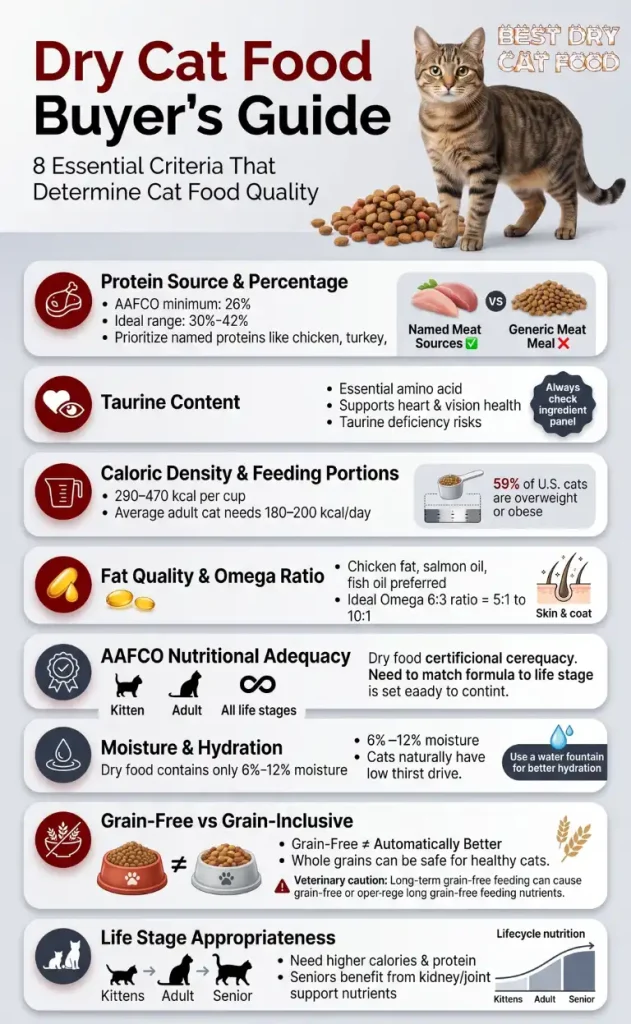
Dry Cat Food Buyer’s Guide: 8 Criteria That Determine Quality
Selecting the right dry cat food requires evaluating the product against 8 nutritional and formulation criteria. Each criterion below is grounded in published feline nutrition research from institutions including Cornell University’s Feline Health Center, the American Association of Feed Control Officials (AAFCO), and the National Research Council’s Nutrient Requirements of Cats.
1. Protein Source and Percentage
Cats require protein for muscle maintenance, enzyme synthesis, hormone production, and immune function. The AAFCO minimum for adult cat dry food is 26% crude protein on a dry matter basis. High-quality formulas deliver 30% to 42%.
The protein source matters as much as the percentage. Named meat sources, including chicken, turkey, salmon, and venison, provide a known and consistent amino acid profile. Undefined sources labelled “meat meal” or “poultry by-product meal” vary in quality and digestibility between batches. Prioritise formulas where the first two ingredients are named animal proteins.
2. Taurine Content
Taurine is an essential amino acid that cats cannot synthesise in sufficient quantities from dietary precursors. Deficiency causes dilated cardiomyopathy (heart muscle disease) and retinal degeneration leading to blindness. All of the formulas reviewed in this guide either contain taurine as a supplemented ingredient or derive sufficient taurine from named animal protein sources. Verify that your chosen formula lists taurine in the guaranteed analysis or ingredient panel.
3. Caloric Density and Feeding Portions
Dry cat food typically ranges from 290 to 470 kcal per 8-oz cup. A typical neutered adult cat weighing 4 kg requires approximately 180 to 200 kcal per day, which equates to roughly half a cup to two-thirds of a cup of average-density kibble. Use the cat food calculator on this site to calculate the precise daily portion based on your cat’s weight, age, and activity level.
Overfeeding dry cat food is a primary driver of feline obesity. According to data published by the Association for Pet Obesity Prevention, approximately 59% of cats in the USA are classified as overweight or obese. Caloric density determines how much food your cat actually needs, and it varies significantly between brands.
4. Fat Quality and Omega Fatty Acid Ratio
Dietary fat provides essential fatty acids, fat-soluble vitamins (A, D, E, K), and palatability. Cats require arachidonic acid, which is found only in animal-derived fats. Plant-based fat sources such as sunflower oil or flaxseed cannot meet this requirement alone. Formulas that list chicken fat, fish oil, or salmon oil as fat sources deliver the arachidonic acid and EPA/DHA that cats require for skin integrity and inflammatory response regulation.
An omega-6 to omega-3 ratio between 5:1 and 10:1 is considered optimal for feline skin and coat health, according to feline nutrition guidelines from the World Small Animal Veterinary Association.
5. AAFCO Nutritional Adequacy Statement
Every commercially produced dry cat food sold in the USA must carry an AAFCO nutritional adequacy statement. This statement confirms the formula has been tested through feeding trials or formulated to meet nutrient profiles for a defined life stage: kitten, adult maintenance, or all life stages.
When purchasing for a specific cat, match the adequacy statement to the cat’s life stage. A kitten fed an adult-maintenance formula may not receive adequate calcium, phosphorus, and protein density for healthy skeletal development. An adult cat fed an all-life-stages formula designed for kittens may consume excess calories.
6. Moisture Content and Hydration
Dry cat food contains 6% to 12% moisture by definition. Cats evolved from desert-dwelling ancestors and have a naturally low thirst drive, relying on food moisture to meet hydration needs. Dry food alone does not meet a cat’s total daily water requirement. Cats fed exclusively on dry food benefit from access to a water fountain, which veterinary research confirms improves voluntary water intake compared to static bowl drinking.
7. Grain-Free Versus Grain-Inclusive Formulas
Grain-free diets are not inherently superior to grain-inclusive formulas. Cats are obligate carnivores and have limited amylase activity, meaning they digest starch less efficiently than omnivores. However, whole grains including brown rice and oats are digestible energy sources that do not cause harm to healthy cats. Grain-free diets are clinically indicated for cats with confirmed grain allergies or sensitivities, not as a universal upgrade.
The FDA has been investigating a potential association between grain-free diets and dilated cardiomyopathy (DCM) in dogs since 2018. While this investigation primarily concerns canines and has not established a confirmed causal mechanism, cat owners choosing grain-free formulas long-term are advised to discuss this with their veterinarian and ensure taurine supplementation is present in the formula.
8. Life Stage Appropriateness
Kittens, adults, and senior cats have substantially different nutritional requirements. Kittens require higher protein, calcium, phosphorus, and total caloric density to support rapid growth and skeletal development. Senior cats benefit from reduced phosphorus (to protect kidney function), controlled caloric density, and added joint support nutrients. Adult maintenance formulas are optimised for stable-weight adult cats aged 1 to 7 years.For guidance on the transition between life stages, see when to switch from kitten food to adult formula.
Final Words
Selecting the right dry cat food is one of the most consequential decisions a cat owner makes for their pet’s long-term health. The 10 formulas reviewed in this guide cover every major need, from high-protein grain-free nutrition with Orijen and Blue Buffalo Wilderness to targeted indoor cat support with Hill’s Science Diet and Royal Canin, and budget-friendly everyday feeding with Iams, Fancy Feast, and Friskies.
Each product carries an AAFCO nutritional adequacy statement, meaning every option on this list meets the minimum standards for complete and balanced feline nutrition. The right choice depends on your cat’s life stage, activity level, body weight, and any diagnosed health conditions.
When in doubt, a licensed veterinarian remains the most reliable source of individualised dietary guidance. Revisit this guide annually, as formulations change and your cat’s nutritional requirements evolve with age.
Frequently Asked Question (FAQ’s)
Is dry cat food good for cats?
Dry cat food provides complete and balanced nutrition for cats when formulated to AAFCO standards. Its lower moisture content makes voluntary water intake critical. Cats fed exclusively on dry food require consistent access to fresh water, ideally from a flowing source such as a cat water fountain.
What is the healthiest dry cat food for indoor cats?
Hill’s Science Diet Adult Indoor Chicken Recipe and Royal Canin Feline Health Nutrition Indoor are the 2 most clinically validated dry formulas for indoor cats. Both address the 3 primary indoor cat health concerns: hairball formation, reduced intestinal transit, and weight management. Veterinarians frequently recommend these formulas for adult indoor cats with no diagnosed medical conditions.
How much dry cat food should a cat eat per day?
A typical neutered adult cat weighing 4 kg requires approximately 180 to 200 kcal per day from dry food. The precise daily portion varies by caloric density, which ranges from 290 to 470 kcal per cup across the formulas reviewed here. Use the cat food calculator on this site to calculate the correct portion for your cat’s weight, age, and neutering status.
Is grain-free dry cat food better for cats?
Grain-free dry cat food is not universally superior to grain-inclusive formulas. Grain-free formulas are clinically appropriate for cats with confirmed grain allergies or sensitivities. Healthy cats without grain sensitivities do not require grain-free food and may derive digestible energy from whole grain sources including brown rice and oats. Consult a veterinarian before placing a cat on a long-term grain-free diet.
What dry cat food do veterinarians recommend?
Veterinary nutrition surveys indicate that Purina Pro Plan, Hill’s Science Diet, and Royal Canin are the 3 most frequently recommended dry cat food brands by practising veterinarians. All 3 carry AAFCO nutritional adequacy statements, are backed by internal nutritional research, and have been formulated in consultation with veterinary nutritionists. The World Small Animal Veterinary Association’s Global Nutrition Guidelines provide a framework for evaluating any brand against published nutritional standards.
Can cats live on dry food alone?
Cats can maintain complete nutrition on high-quality AAFCO-compliant dry food throughout their adult lives, provided fresh water is available at all times. A combination of dry and wet food is considered optimal by many veterinary nutritionists because wet food supplements daily moisture intake. Cats with urinary tract disease, kidney disease, or diabetes benefit significantly from the higher moisture content of wet food.
What is the best dry cat food for weight loss?
Rachael Ray Nutrish Natural Dry Cat Food (approximately 310 kcal per cup) and Hill’s Science Diet Indoor (approximately 340 kcal per cup) are the lowest-calorie formulas in this review and are suitable as part of a weight management plan. Therapeutic weight loss in obese cats, defined as cats 30% or more above ideal body weight, requires a veterinarian-prescribed calorie-restricted formula and monitored feeding schedule to prevent hepatic lipidosis.
How do I transition my cat to a new dry food?
Transition a cat to a new dry food over 7 to 10 days. Begin with a ratio of 75% old food to 25% new food for the first 3 days. Adjust to 50% each for the following 3 days. Move to 25% old food and 75% new food for the next 2 days. Complete the transition to 100% new food by day 10. Cats with sensitive gastrointestinal systems may require a 14-day transition. Visible signs of digestive disturbance during transition, including persistent vomiting or diarrhoea lasting more than 48 hours, indicate the need for veterinary consultation.
How These Products Were Evaluated
Each product in this review was assessed against 8 criteria: crude protein percentage, protein source quality, fat source and omega ratio, fibre level and type, caloric density, AAFCO nutritional adequacy statement, life stage appropriateness, and ingredient transparency. Nutritional data was sourced from manufacturer guaranteed analysis statements. Products with active FDA recall status were excluded.
Rankings reflect the editorial judgment of the reviewing team, weighting nutritional quality at 60%, user outcomes at 25%, and value for money at 15%.
This article is reviewed for nutritional accuracy against published AAFCO guidelines and peer-reviewed feline nutrition research. Always consult a licensed veterinarian before making significant changes to your cat’s diet, particularly if your cat has a diagnosed health condition.